We’re here to help you
with any property related questions you may have.


Since April 2020 landlords of private rented domestic property have needed to make sure their rental properties achieve at least an energy performance certificate (EPC) rating of E. There are likely to be further changes in the future, requiring a minimum rating of D. (A is the most efficient. G is the least efficient).
If you’re thinking of becoming a landlord, you need to know about EPC’s how the rules around them are changing and how to improve your rating.
Energy Performance Certificates (EPC’s) are needed whenever a property is built, sold or let. Homeowners and landlords must order an EPC for potential buyers and tenants before marketing a property to sell or let.
An EPC contains a) information about a property’s energy use and typical energy costs, and b) recommendations about how to reduce energy use and save money.
An EPC is valid for 10 years. You will need to appoint an accredited assessor to carry out the EPC inspection and your estate agent or letting agent must be given a copy of the report.
While EPCs are a mandatory step to buying or letting out a property (without one you could receive a fine) they can also be a useful marketing tool. As more of us become aware of the threat to our environment, a good EPC rating is more important than ever. It also demonstrates an energy efficient home, where energy bills are likely to be cheaper than a similar property with a lower EPC rating.
It takes less than an hour to carry out an internal and external inspection of most domestic properties. During that time, a qualified domestic energy assessor will inspect or measure the property’s:
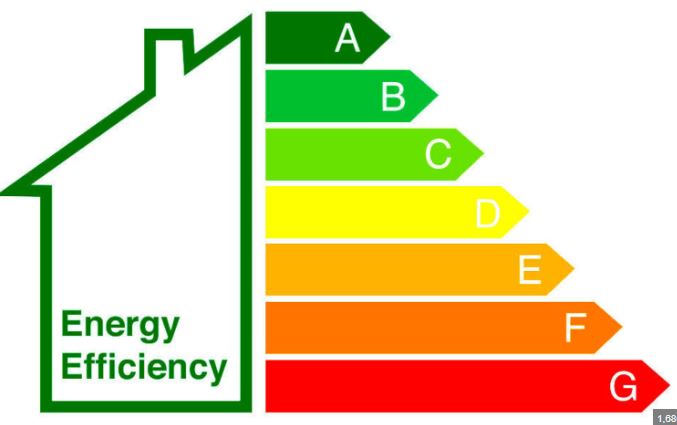
Here are a few things you may consider.
1. Replace your light bulbs with LEDs
Replace your halogen spotlights with LED bulbs – these energy saving lights are a cheap and easy way to nudge up your EPC rating.
2. Improve your insulation
A quarter of household heat is lost through the roof, but loft insulation is easy to install and relatively inexpensive. It’s also worth seeking professional advice about whether cavity wall insulation would work in your property.
3. Add double glazing
Rickety old single glazed windows can be responsible for 40% of the heat loss in your house. Modern high-performance double glazing will make a significant difference to the energy efficiency of a home.
4. Consider A New Boiler
The heating system accounts for a large chunk of a property’s energy use. If you have an old, inefficient boiler, a new one could make a big impact on your EPC and cut heating bills substantially.
5. Go One Step Further With Renewables
Consider new renewable energy sources. Installing solar panels, biomass boilers and ground-source heat pumps could dramatically increase an EPC rating and are essential if you’re aiming for the highest rating possible.
If you’re thinking of selling or letting out property and would like advice about energy performance certificates, or any other aspect of marketing your home, contact us today.
with any property related questions you may have.
"*" indicates required fields

Letting a property compliantly is no longer just a few safety certificates. There’s now over 170 pieces of legislation! It is a
As a landlord, in Leamington Spa, Stratford-upon-Avon and beyond, it’s crucial to ensure your rental properties are safe and compli...

Ensuring fire safety in your rental properties is not just a legal requirement but a crucial responsibility to protect your tenants and